Estate Planning
Marketing Collateral
Custom content that persuades prospects to sign.
Our marketing team is ready to write, design, and print custom marketing materials for you to permanently keep.
A few popular examples of what they can deliver in both PDF and print format are:
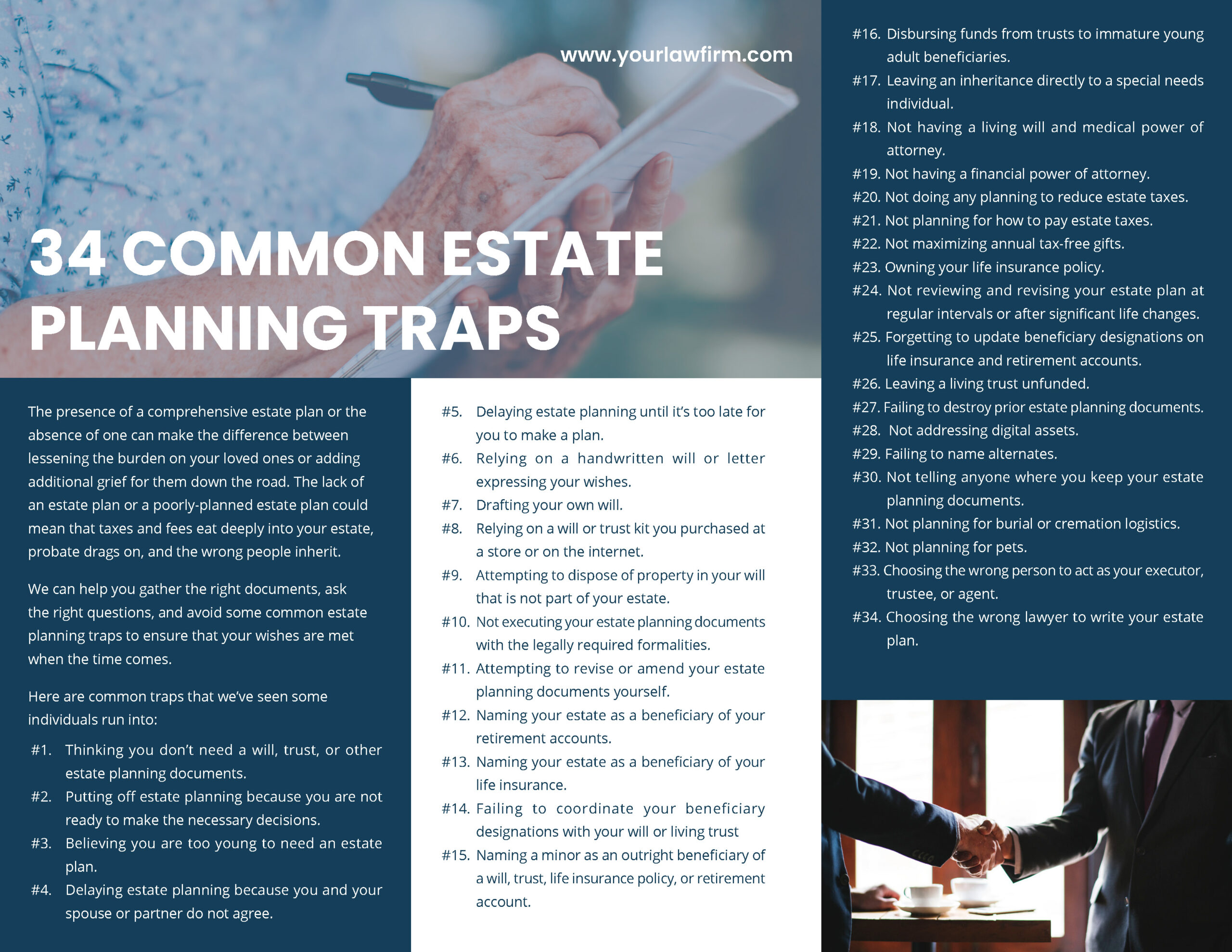
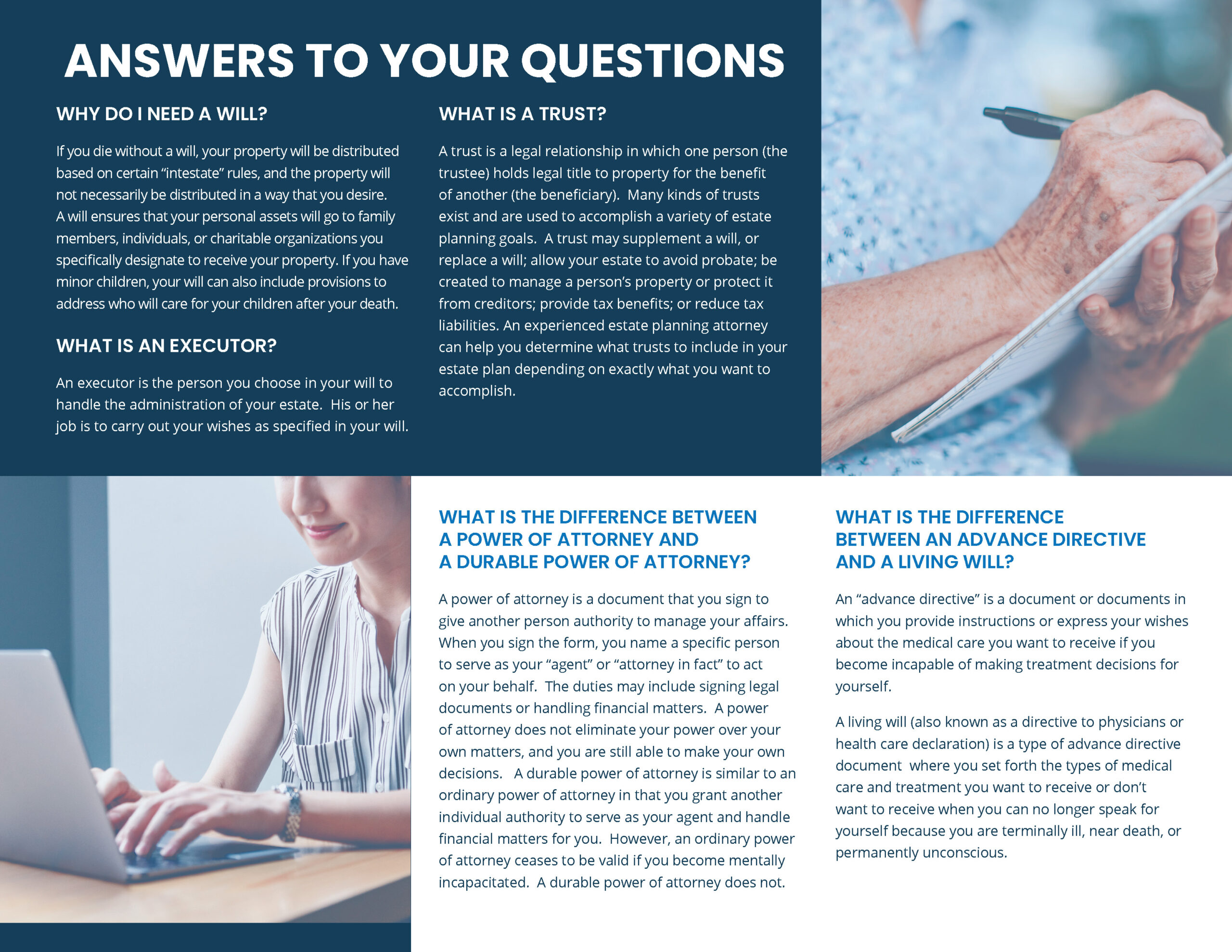
Tri-fold educational brochure
This four-color handout can cover all estate planning scenarios, or focus on a target audience like business owners, real estate investors, new parents, or the recently divorced.
“How we help” booklet
Teach prospects and new clients the many ways your comprehensive estate planning helps: assistance transferring assets into the new trust, client legacy videos, written guidance for your executor, and periodic updates.
Other possibilities include
-
Follow-up emails
-
Booklet containing client success stories (interview required)
-
Prospecting booklet: “Mistakes to Avoid When Hiring an Estate Planner”
-
Attorney biography one-pager
-
List of key estate planning documents
-
"Thank you for the referral" cards
Examples
We have created hundreds of different marketing pieces for law firms, and have an extensive estate planning collection:
Booklets



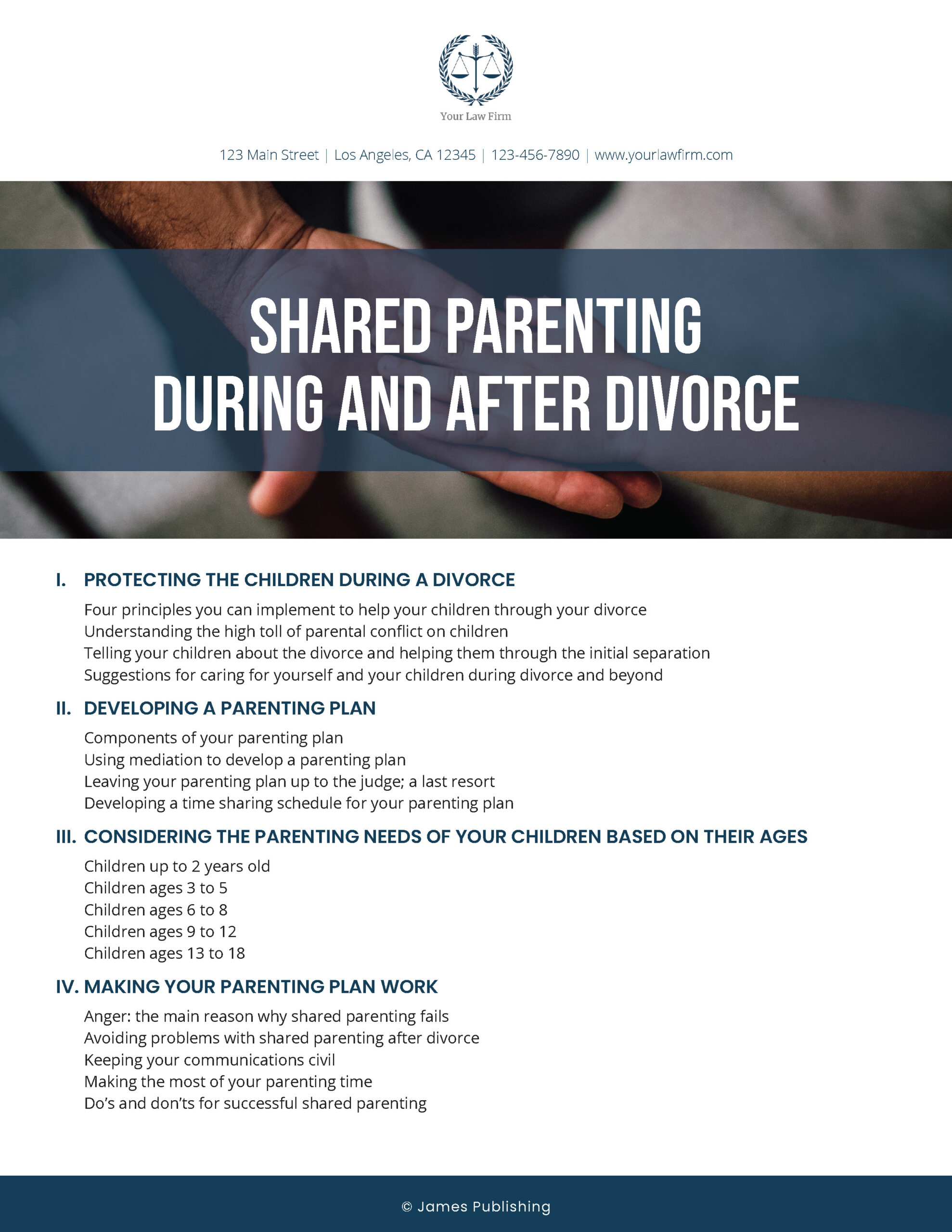
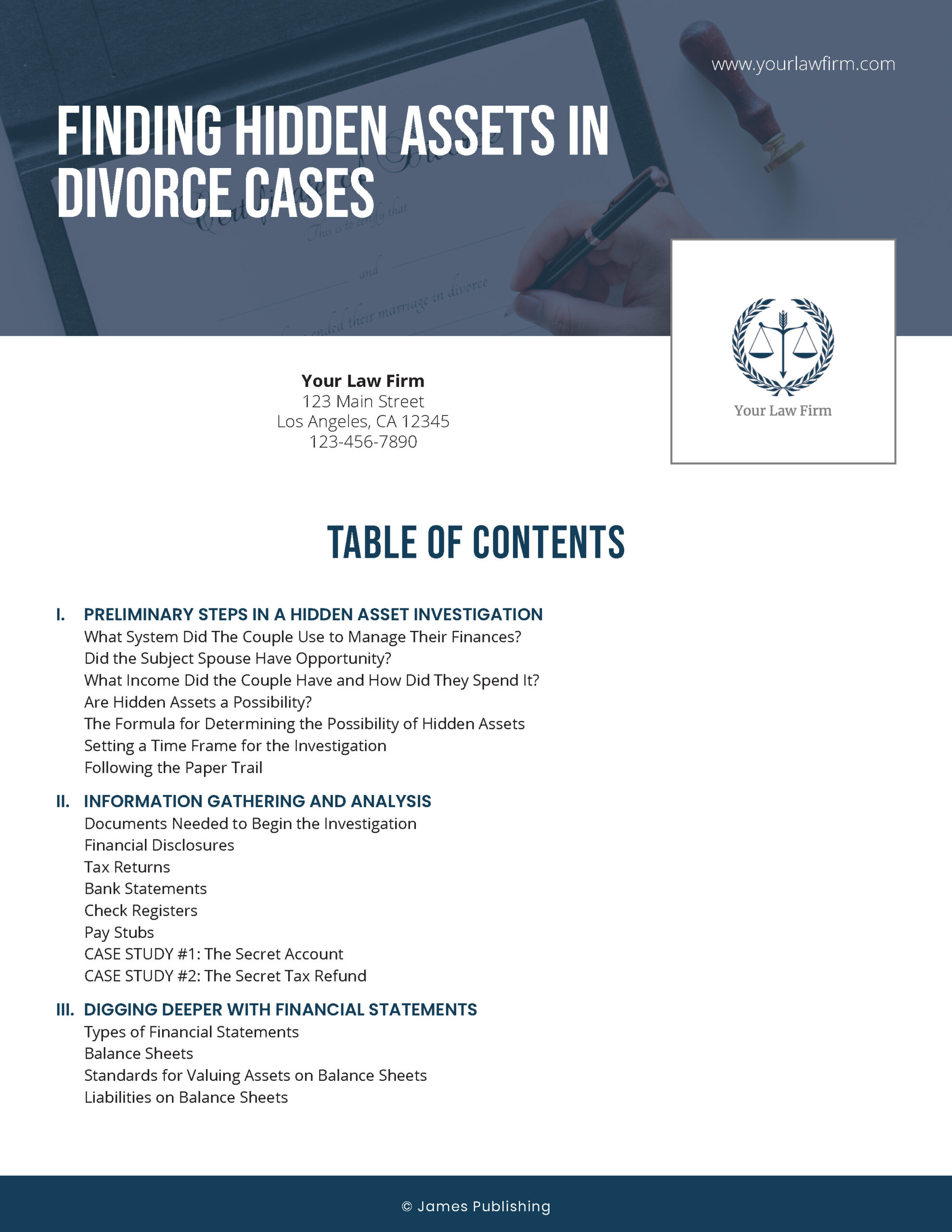
Brochures
New Client Welcomes
11 emails
Subject: Defining Your Estate Planning Goals
This is the first letter of a general educational series I send to new clients. Some of the information may not apply to your situation, but much will. I hope you find the series helpful.
A good estate plan is a tremendous gift to your loved ones and to yourself. It will ensure your assets pass to the people you want to benefit and to the causes and organizations that matter to you. It can minimize probate costs, reduce taxes, and insulate inheritances from creditors. It can provide a succession plan for a family business. It can protect you if you are incapacitated, ease the emotional burdens on your family, and give you great peace of mind.
Creating an estate plan requires close collaboration between you and your estate planning attorney. The more you understand about estate planning, the more effectively you and I will be able to work together to achieve your goals. One of the most important things you can do is educate yourself. Although you do not need to understand all the technicalities involved in estate planning, you need a basic understanding of what can be achieved given the extent of your estate and the needs of your loved ones.
You play a crucial role in developing a good estate plan. You need to be engaged in the planning process every step of the way. Your first important steps are to determine the extent and value of your estate and to outline your goals. For example, do you want to leave your children equal shares of your estate, do you want to leave gifts to those outside your immediate family, do you have minor or special needs children to provide for, do you want to avoid probate, do you need tax planning?
To help you clarify your goals and identify your assets, I have prepared a booklet, Defining Your Estate Planning Goals and Identifying your Assets. The booklet sets out 24 questions to help you begin to plan your estate and a form you can complete to make an inventory of your property.
Subject: Choosing your Executor
Your executor will be responsible for processing your will through probate, locating and protecting your assets, paying your debts, and distributing the remaining property to the beneficiaries.
You are looking for three things in your executor. He or she must be someone (1) you trust; (2) who is capable of doing the job; and (3) who is willing to do the job. Although some of the necessary tasks may be complicated (like preparing tax returns or making investment decisions), your executor can hire professionals (attorneys, accountants, investment advisors) for assistance. Nevertheless, you want to choose a person who is intelligent, responsible, and well-organized.
It’s best to choose someone who lives in your state as some states have restrictions on out-of-state executors and someone local will find it easier to do the job. If you also have a living trust, it’s a good idea for the same person to serve as your executor and as successor trustee of the trust.
A spouse or a trusted child can be a good choice, although sometimes choosing one child over another can cause hurt feelings. In the interest of family harmony, you can name more than one executor, although that may not be the best idea if you think they can’t work together. Naming a trusted friend may be the solution. It’s a good idea to name an alternate in case your first choice is unable to serve when the time comes.
Make sure the person you choose is willing to serve before naming him or her in your will. You may also want to discuss your decision with the family members you did not choose. Offering them a rational explanation for your choice may resolve their disappointment. You may even find they are relieved not to have the burden.
For additional suggestions and cautions, see my booklet, Choosing an Executor for your Will.
